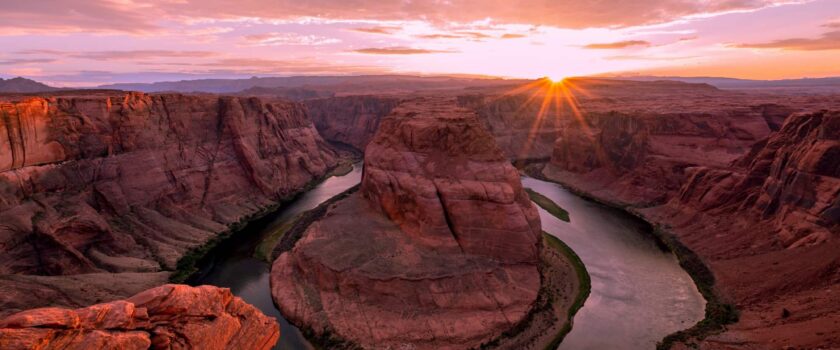
Between misty mountains and the calm Ariake Sea, Saga, Japan, unfolds as a place where craftsmanship and quiet nature meet. From the gleam of Arita porcelain to the steam rising over Takeo’s ancient hot springs, the region reveals a slower rhythm that rewards attention. Wander pine lined coasts, sip Ureshino tea among emerald hills, and watch hundreds of hot air balloons lift into the dawn sky. Saga’s warmth lies not in spectacle but in the care poured into every detail, inviting travelers to pause and truly see.
Quick Facts: Saga, Japan
Time ZoneUTC+9, Japan Standard Time (Asia/Tokyo)
Nearby DestinationsFukuoka, Nagasaki, Karatsu, Arita, Takeo, Ureshino, Kumamoto
Average TemperatureSpring 10–20°C. Summer 24–33°C with humidity. Autumn 12–23°C. Winter 3–12°C.
Cash or Card?Cards increasingly accepted, but carry some cash for small eateries and rural shops. IC cards work on most transport.
Destination Overview
Why Visit Saga?
Saga blends quiet countryside moments with high craft culture. Walk Yayoi era watchtowers at Yoshinogari Historical Park, then sip tea after a soak in 1,300 year old Takeo or Ureshino hot springs. Hunt for Arita and Imari porcelain in small kilns, wander Karatsu’s sea pine forest at Niji no Matsubara, and feast on translucent squid straight from Yobuko’s nets. Time your trip with the Saga International Balloon Fiesta, when hundreds of balloons rise over the Chikugo River plain at dawn.
Best Time to Visit Saga
- Spring – Late March to April brings cherry blossoms across castle parks and Mifuneyama Rakuen. Mild temperatures and tea harvest tours start in late April. Crowds are moderate.
- Summer – Warm and humid. Beaches near Karatsu are swimmable. Use early starts and indoor museums midday. Local fireworks and shrine festivals add color.
- Autumn – October to November is ideal. Rice fields turn gold, maples flare at Mifuneyama Rakuen’s night illuminations, and hot air balloons fill the sky during the Balloon Fiesta.
- Winter – Cool, calm, and good value. Clear air for coastal views, hearty nabe hotpots, and quiet museums. Some gardens shorten hours around New Year holidays.
Travel Difficulty & Ideal Duration
Difficulty: Easy. Signage is decent at major sites, English available at key museums.
Recommended: 3 to 5 days for first timers, 6 to 7 if you want onsen stays and ceramics studio visits.
Essential Travel Information
Visa & Entry
Japan offers short stay visa exemption to many nationalities. Check the current list and conditions on the Ministry of Foreign Affairs website and confirm any recent changes before travel. See official visa exemption guidance and the main visa portal at MOFA Visa for updates and entry procedures.
Money & Realistic Daily Costs
- Budget: ¥6,000–¥10,000, hostel or simple business hotel, casual meals, IC card transit.
- Mid-range: ¥12,000–¥25,000, comfortable hotels or ryokan without dinner, a few paid attractions.
- Luxury: ¥35,000–¥80,000+, premium ryokan with kaiseki dinners, private baths, taxis.
Language & Communication
Download an offline translation app and learn essentials. Pocket Wi-Fi or an eSIM keeps maps and timetables handy. At ceramic towns and onsen, staff are friendly and patient if you speak slowly and point to menus.
Getting There & Around
Air, Rail, Bus: Saga Airport (HSG) sits about 35 minutes by bus from JR Saga Station. See airline and access info on ANA’s Saga Airport page and station access tables via Navitime bus timetables. JR Kyushu links Saga City with Fukuoka and Nagasaki on the Nagasaki Main Line, while Takeo Onsen connects to the Nishi Kyushu Shinkansen for fast trains toward Nagasaki. Pass options and coverage are on the JR Kyushu Rail Pass page.
Local transport: IC cards like SUGOCA and the tourist focused SUGOMON PASS work widely on JR Kyushu trains and many buses across northern Kyushu.
Top Things to Do in Saga
Must-See Landmarks & Cultural Sites
-
Yoshinogari Historical Park
Address: 1843 Tade, Yoshinogari-cho, Kanzaki-gun, Saga 842-0035
Admission and timing: Adults ¥460, under 15 free. Typical hours 9:00–17:00 Sep–May, 9:00–18:00 Jun–Aug. Closed Dec 31 and select January maintenance days. Official info
Best visiting time: Morning in spring or autumn for soft light and cooler temps.
Reconstructed Yayoi era watchtowers, pit dwellings, and moated precincts make this Japan’s most important Yayoi site. -
Saga Castle History Museum (Honmaru Goten)
Address: 2-18-1 Jonai, Saga City 840-0041
Admission and timing: Free, donation appreciated. 9:30–18:00. Closed Dec 29–31. Official site
Best visiting time: Late afternoon for quiet tatami lined halls and exhibits on Saga’s Meiji era innovators.
One of the largest wooden castle palace reconstructions in Japan with excellent bilingual exhibits. -
Yūtoku Inari Shrine
Address: 1855 Furueda, Kashima City, Saga 849-1321
Admission and timing: Grounds free, donations welcome. Shrine open roughly dawn to dusk. Tourism info
Best visiting time: Early morning to enjoy vermilion buildings on a hillside without crowds.
One of Japan’s three great Inari shrines with dramatic hillside corridors and seasonal gardens. -
Mifuneyama Rakuen
Address: 4100 Takeo, Takeo-cho, Takeo City, Saga 843-0022
Admission and timing: Typically 8:00–18:30 or later during illuminations. Admission from about ¥600–¥700, varies by season. Official garden site
Best visiting time: Azalea season in late April to early May and maple illuminations in November.
A 500,000 square meter landscape garden below sheer cliffs, famous for seasonal light ups. -
Karatsu Castle
Address: 8-1 Higashijonai, Karatsu City, Saga 847-0016
Admission and timing: Around ¥500 adults for the keep museum, 9:00–17:00, seasonal extensions. Karatsu Tourism
Best visiting time: Clear mornings for panoramic views across Karatsu Bay and Niji no Matsubara.
“Maizuru Castle” rises over the bay with exhibits on Karatsu ware and local history. -
Kyushu Ceramic Museum, Arita
Address: 3100-1 Toshaku, Otsu, Arita-cho, Saga 844-8585
Admission and timing: Free permanent exhibits, 9:00–17:00. Closed Mondays and Dec 29–Jan 3. Official FAQ
Best visiting time: Weekday late mornings after shuttle or local train arrival.
Masterful displays of Arita, Imari, Karatsu, and European influences. -
Saga Balloon Museum
Address: 2-2-27 Matsubara, Saga City 840-0831
Admission and timing: Adults ¥500, students ¥200. 10:00–17:00, closed Mondays. Official museum page
Best visiting time: Any time, a great primer before the autumn Balloon Fiesta.
Hands on exhibits, flight simulator, and theater share Saga’s balloon heritage.
Hidden Gems & Local Favorites
- Niji no Matsubara – A 4.5 km arc of one million black pines protecting Karatsu Bay. Walk or cycle between Higashi Karatsu and Hamatama stations. Open access, all day.
- Nanatsugama Sea Caves by Boat – 40 minute cruises from Marinepal Yobuko bring you under basalt ceilings and into sapphire coves. Boats run roughly 9:30–16:30, adults about ¥2,000. Weather dependent.
- Takeo Onsen Tower Gate & Shinkan – Kingo Tatsuno’s 1915 vermilion gate marks a historic bath quarter. Free to view, paid baths nearby, many open until late.
- Karatsu Hikiyama Exhibition Hall – Massive festival floats up close. Pair with a stroll to the castle and coastal promenade.
- Ureshino Tea Terraces – Visit small tea shops for tastings and buy lightly roasted sencha to bring home.
Unique Experiences You Can’t Miss
- Join a Nanatsugama sightseeing cruise, ~40 minutes, adults about ¥2,000. Boats depart Marinepal Yobuko every hour when seas are calm. Book on the day at the pier.
- Soak at a Takeo Onsen public bath, entry typically ¥450–¥600, open morning until late night. Bring a small towel or buy on site.
- Plan for the Saga International Balloon Fiesta in late Oct to early Nov. Dawn launches are free to watch. Budget for food stalls and train fare to Balloon Saga station.
- Spend an afternoon at the Kyushu Ceramic Museum, then walk Arita’s porcelain shops for hand painted cups and plates. Museum is free, allow 90–120 minutes.
- Order Yobuko squid sashimi at a harbor restaurant where catch lands minutes before service. Expect ¥1,600–¥3,000 per set.
- Try Saga City’s Sicilian Rice, a local one plate of rice, stir fried meat, crisp salad, and mayo, usually ¥800–¥1,200.
Best Photo Spots
- Kagamiyama Observatory above Karatsu City for sweeping views over the castle and Niji no Matsubara. Sunrise is calm, sunset glows over the bay.
- Yoshinogari watchtowers framed by low morning mist in spring and late autumn.
- Mifuneyama Rakuen night illumination when maples mirror in ponds. Tripods may be restricted during peak events, check staff.
- Balloon Fiesta launch field at dawn with the river plain and a line of colorful envelopes inflating in cold air.
- Takeo Onsen Tower Gate in blue hour when lanterns switch on and the gate’s colors deepen.
Where to Stay in Saga
Best Areas or Neighborhoods
- JR Saga Station area – Best transport hub for day trips. Business hotels and dining streets. Easy bus to Saga Airport.
- Karatsu Coast – Beachfront stays and quick access to Niji no Matsubara, castle, and Yobuko squid. Calmer nights.
- Takeo Onsen – Historic baths and garden views. Ideal for slow evenings, near Mifuneyama Rakuen.
- Ureshino Onsen – Tea town with silky alkaline springs and ryokan cuisine. A quiet base for ceramic towns.
- Arita – For porcelain fans who want to browse kilns early and return with fragile purchases nearby.
Budget Traveler Picks
- Hotel New Otani Saga – 1-2 Yokamachi, Saga • ¥7,000–¥12,000
- Karatsu Seaside Hotel Annex Rooms – 4-182 Higashikaratsu, Karatsu • from ¥9,000
- Arita town minshuku listings – Walkable to museums • ¥6,000–¥10,000
- Takeo Onsen simple ryokan – Near Tower Gate • ¥6,500–¥11,000
- Saga City center business hotels – Walk to Balloon Museum • ¥6,000–¥9,000
Mid-Range Favorites
- Garden Terrace Saga Hotel & Resorts – 3-7-8 Kurosaki, Saga • ¥16,000–¥28,000
- Karatsu City sea view hotels – Karatsu Coast • ¥12,000–¥20,000
- Takeo Onsen mid range ryokan – Takeo Onsen district • ¥15,000–¥25,000 with breakfast
- Arita boutique inns – Near Kyushu Ceramic Museum • ¥12,000–¥22,000
- Ureshino Onsen ryokan – Ureshino Onsen Street • ¥14,000–¥24,000
Luxury Stays
- Onyado Chikurintei – 4100 Takeo, Takeo-cho, Takeo • ¥65,000–¥120,000 with kaiseki
- Mifuneyama Rakuen Hotel – 4100 Takeo, Takeo-cho, Takeo • ¥40,000–¥80,000
- Yoyokaku Ryokan – 2-4-40 Higashi Karatsu, Karatsu • ¥35,000–¥70,000
- Karatsu Seaside Hotel – 4-182 Higashikaratsu, Karatsu • ¥22,000–¥45,000
- Garden Terrace Saga Premium Suites – 3-7-8 Kurosaki, Saga • ¥28,000–¥55,000
Family-Friendly
- Karatsu Seaside Hotel – Large rooms, beach access, pool in season.
- Hotel New Otani Saga – Easy bus and train access, on site restaurants.
- Mifuneyama Rakuen Hotel – Garden walks at dusk, onsen for parents, nature for kids.
- Takeo Onsen family rooms – Public baths, short walks to eateries.
- Saga City center hotels – Quick reach to Balloon Museum and castle park.
Alternative Stays
- Arita kiln stay experiences – Pottery town guesthouses with studio visits.
- Karatsu seaside pensions – Steps from Niji no Matsubara.
- Ureshino eco lodges – Tea field views, local produce breakfasts.
- Arita townhouses – Historic machiya conversions within walking distance of shops.
- City apartments – Good for long stays and self catering.
What & Where to Eat in Saga
Must-Try Dishes
- Saga Beef – Highly marbled wagyu with a sweet, clean finish. Grilled at yakiniku or as steak. Expect ¥3,000–¥8,000 per person depending on cuts.
- Yobuko Squid – Translucent, crunchy Ika sashimi served same day at Karatsu and Yobuko. A typical set is ¥1,600–¥3,000.
- Sicilian Rice – Saga City comfort dish of rice, sautéed meat, crisp salad, and mayo. Usually ¥800–¥1,200.
- Ureshino Tea – Smooth, low astringency sencha and steamed tamaryokucha. Tea tastings from ¥300–¥800.
- Karatsu Ware Dining – Local restaurants serve seasonal dishes on Karatsu pottery, elevating simple flavors.
Restaurants & Cafés
- Budget Eats – Sicilian Rice participating cafés, around JR Saga Station and central arcades • ¥800–¥1,200
- Local Specialty – Sagan Restaurant Shino, Kencho Branch – Sicilian Rice topped with Saga beef • Central Saga
- Seafood – Yobuko harbor restaurants such as Marinepal eateries serve squid and seasonal fish • Karatsu/Yobuko • ¥1,600–¥3,500
- Yakiniku – Saga beef focused grills near Saga Station and Karatsu City • Typical spend ¥3,500–¥7,000
- Café Culture – Museum cafés at Saga Castle or Balloon Museum for light lunches and coffee • ¥600–¥1,200
Street Food & Dietary Tips
- At festivals, look for yaki-ika (grilled squid), taiyaki, and regional karaage. Carry small cash.
- Vegetarian options improve at cafés and Italian spots. Communicate “niku, sakana nashi” for no meat and fish.
- Gluten free travelers can lean on rice based dishes, grilled fish, and plain onsen tamago. Verify soy sauce use.
- Tap water is safe. Ice is fine. Packed trash is taken home if bins are full.
- For halal needs, choose seafood focused set meals and confirm broth bases. Pre order if possible.
Local Culture & Etiquette
- Norms – Queues form neatly at stations and counters. Lower your voice on trains. Shoes off when entering tatami rooms.
- Do’s & Don’ts – Do sort trash by category. Do ask before photographing inside workshops. Do not step into dry garden beds or cross roped areas at shrines.
- Tipping – Prices are final. Exceptional ryokan service is acknowledged with a warm thank you, not cash.
- Festivals & Events – Saga International Balloon Fiesta late Oct to early Nov. Karatsu Kunchi early Nov with towering hikiyama floats. Spring tea events in Ureshino.
Practical Tips & Safety
- Health & Safety – Japan’s emergency number is 119 for fire and ambulance, 110 for police. Carry travel insurance. Summer heat calls for hydration and shade breaks.
- What to Pack – Light layers, compact umbrella, slip on shoes for temple and ryokan entries, swimsuit for beach season or ryokan baths.
- Money Saving – Combine free museum parks like Saga Castle with select paid gardens. Consider JR Kyushu rail passes for multi day loops.
- Emergency Phrases – “Tasukete kudasai” (please help), “Byōin wa doko desu ka?” (where is a hospital), “Eki wa doko desu ka?” (where is the station).
Saga Itineraries
3-Day Express Itinerary
- Day 1 – Saga City: Saga Castle History Museum → Balloon Museum → lunch on Sicilian Rice → walk the castle park and riverfront → onsen in Takeo at night.
- Day 2 – Karatsu Coast: Morning at Karatsu Castle and Niji no Matsubara → seafood lunch in Yobuko → Nanatsugama boat cruise → sunset at Kagamiyama Observatory.
- Day 3 – Arita & Takeo: Kyushu Ceramic Museum → shop porcelain streets → Mifuneyama Rakuen gardens → back to Saga or overnight onsen stay.
7-Day Comprehensive Itinerary
- Day 1 – Arrive Saga. Castle museum and city ramen crawl.
- Day 2 – Yoshinogari Historical Park with guided programs, picnic lunch, evening train to Takeo.
- Day 3 – Takeo Onsen baths and Mifuneyama Rakuen. Optional evening illumination.
- Day 4 – Karatsu Castle, pine forest cycling, seaside café stops.
- Day 5 – Yobuko squid breakfast, Nanatsugama cruise, pottery gallery at return.
- Day 6 – Arita kiln visits, Kyushu Ceramic Museum deep dive, hands on workshop.
- Day 7 – Ureshino tea fields, foot baths, and slow lunch before departure.
Off the Beaten Path Route
Loop Saga Station → Kanzaki for Yoshinogari back trails → rural cafés along the Chikugo River levees → evening soak in Ureshino → overnight in a tea valley inn → return via Arita’s lesser visited hillside kilns with river viewpoints and quiet workshops.
Frequently Asked Questions
When is the best time to visit Saga?
Late March to April offers blossoms and cool walks, while late October to mid November brings foliage, harvest flavors, and the Balloon Fiesta. Summer is beach friendly near Karatsu, but plan early starts and museum breaks at midday. Winter is calm, great for onsen, with shorter hours around New Year.
How many days do I need in Saga?
Three days cover Saga City, Karatsu coast, and either Takeo or Arita. Food lovers and onsen fans should plan 5 to 7 days to include Ureshino tea, Mifuneyama Rakuen, and several kiln visits without rushing.
Is Saga safe for solo travelers?
Yes. Train stations and museum districts feel secure, even at night. Use standard smarts, keep valuables close, and save emergency numbers: 110 for police, 119 for ambulance and fire. Rural paths can be dark, so carry a small light.
What is the best area to stay in Saga?
Stay near JR Saga Station for easy transit. Choose Karatsu for sea views and pine forest walks. Pick Takeo or Ureshino if nightly onsen is a priority and you plan to visit Mifuneyama Rakuen or tea farms.
How do I get around Saga without a car?
JR Kyushu trains and local buses connect major sights. Use SUGOCA IC for tap in convenience and consider the JR Kyushu Northern Kyushu Pass for multi day loops. Taxis fill gaps at rural trailheads.
What foods should I try in Saga?
Order Saga beef at yakiniku, translucent Yobuko squid in Karatsu, Sicilian Rice in Saga City cafés, and Ureshino tea. Many spots highlight local ceramics, so your meal arrives on beautiful Karatsu ware.
Where can I learn about Arita porcelain?
Start at the free Kyushu Ceramic Museum in Arita, then walk to nearby shops and studios. If you want hands on time, book a basic wheel or painting session a day ahead.
Can I see hot air balloons outside the Fiesta dates?
Visit the Saga Balloon Museum in central Saga for simulators and films year round. For actual flights, the large scale mass ascensions are tied to the late October to early November event window.
Are onsen tattoos accepted in Saga?
Policies vary. Public baths in Takeo and Ureshino increasingly allow small tattoos, sometimes with cover seals. Ask at reception. Private or family baths at ryokan are a flexible alternative.
What should photographers know about the Balloon Fiesta?
Arrive pre dawn for parking or take the special trains to Balloon Saga station. A longer lens frames the field, while a wide lens captures crowds and river reflections. Dress warm and bring gloves.
Don’t Miss
- Glow of dawn over the Chikugo plain as hundreds of balloons lift silently into the sky during the Balloon Fiesta.
- A platter of translucent squid in Yobuko followed by a breezy cruise into the Nanatsugama caves.
- Maple reflections at Mifuneyama Rakuen after a steaming soak in Takeo’s historic baths.
- Standing atop Karatsu Castle to trace the curve of Niji no Matsubara along a calm blue bay.
- Finding a hand thrown cup in Arita that turns every future tea into a travel memory.
Your Saga Story Starts Here
Saga rewards the traveler who slows down. Wake to steam rising from onsen streets, ride coastal trains to pine shaded beaches, climb a castle for salt bright views, then end the day tasting beef as tender as a secret. Between Yayoi watchtowers and porcelain kilns you will collect small, perfect moments, the kind that keep calling you back. Pick your dates, choose a base near the station or in an onsen town, and let your own Saga unfold.