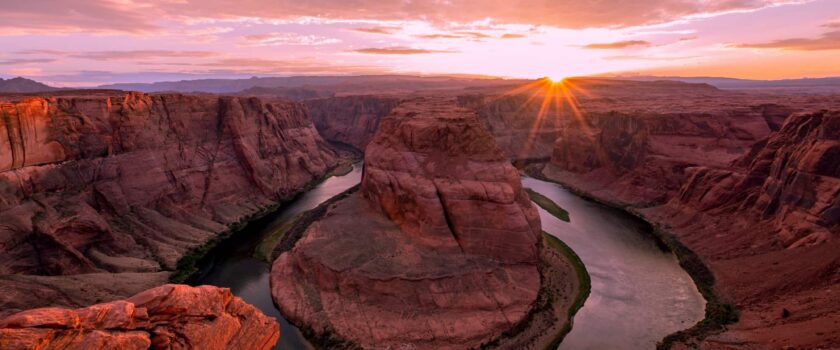
Framed by snow-brushed peaks and a glimmering bay, Aomori, Japan invites travelers to slow down and feel the rhythm of its seasons. The city hums with creativity and ancient spirit, from the fiery glow of the Nebuta Festival to the quiet dignity of Jomon dwellings at Sannai-Maruyama. Here, forests breathe mist, apples sweeten the air, and seafood markets greet dawn with color and sound. Aomori is where nature and culture meet in harmony, offering travelers a glimpse of Japan that feels both deeply rooted and refreshingly alive.
Quick Facts: Aomori, Japan
Time ZoneJapan Standard Time, UTC+9
Nearby DestinationsHirosaki, Towada, Oirase Gorge, Hachinohe, Asamushi Onsen, Goshogawara
Average TemperatureWinter -3 to 3°C with heavy snowfall. Spring 5 to 17°C. Summer 18 to 26°C, humid but cooler than Tokyo. Autumn 6 to 18°C with clear skies.
Cash or Card?Cards and IC are widely accepted, but carry some cash for small eateries and rural buses.
Destination Overview
Why Visit Aomori?
Aomori blends maritime light with mountain air. You can step from a bayfront museum hung with giant Nebuta floats into alleyways that smell of grilled scallops, then ride a ropeway to trails where snow ghosts linger into spring. Culture here feels handmade. Jomon heritage sits next to contemporary art, and apple orchards feed pastry counters across the region. It is Japan for travelers who love seasons, festivals, and food that tastes like the place it comes from.
Best Time to Visit Aomori
- Spring – Late April cherry blossoms in Hirosaki and new greens in Hakkoda. Still chilly at night. Hotels fill during Golden Week, book early.
- Summer – Comfortable highs around the mid 20s. Nebuta Festival runs August 2 to 7, the city buzzes. Book rail and rooms far ahead.
- Autumn – Late September to late October brings top-tier foliage along Oirase Gorge and Lake Towada. Clear days, crisp nights.
- Winter – Deep snow and onsen season. Hakkoda becomes backcountry and snowshoe territory. Some rural buses reduce frequency, prices drop outside holidays.
Travel Difficulty & Ideal Duration
Difficulty: Easy in the city, Moderate once you add mountains or rural coastlines.
Recommended: 3 to 4 days for first timers, 6 to 7 if adding Oirase, Towada, and Hirosaki. Winter visitors should allow weather margin.
Essential Travel Information
Visa & Entry
Citizens of many countries receive visa-free short stays in Japan. Always confirm requirements and permitted length of stay with the Ministry of Foreign Affairs. See official MOFA visa guidance. On arrival follow signs for immigration, baggage claim, and customs. Japan’s e-gates can speed up eligible passport holders.
Money & Realistic Daily Costs
- Budget: ¥6,000 – ¥10,000 per day, hostel or business hotel, quick lunches, transit passes.
- Mid-range: ¥12,000 – ¥22,000 per day, modern hotel, sit-down dinners, museum admissions, day trips.
- Luxury: ¥28,000 – ¥60,000+ per day, premium rooms with bay or mountain views, kaiseki dinners, private guides or transfers.
Language & Communication
English signage exists at main sights, but simple Japanese helps. Consider an eSIM before arrival for reliable data, and use translation apps for menus. Rural reception is good along major routes, spotty in deep valleys.
Getting There & Around
Air, Rail, Bus: Aomori Airport (AOJ) has frequent buses to Aomori Station, about 35 minutes. The Tohoku Shinkansen connects Tokyo to Shin-Aomori, then local trains to Aomori Station. Overnight and daytime highway buses run from Tokyo and Sendai.
Local transport: Walkable bay area, city buses and the Nebutan-go loop link key museums and stations. Suica and compatible IC cards work on most local buses. Trains reach Asamushi Onsen and Hachinohe via Aoimori Railway. Rental cars help for Oirase Gorge and Lake Towada.
Top Things to Do in Aomori
Must-See Landmarks & Cultural Sites
-
Nebuta Museum WA-RASSE
Address: 1-1-1 Yasukata, Aomori-shi
Admission and timing: Adults ~¥620. Open 9:00 to 18:00, until 19:00 May to August. Closed Aug 9-10 and New Year period. Last entry 30 minutes before closing.
Best visiting time: Late afternoon for soft bay light and shorter lines.
Step inside Aomori’s summer soul. See full-sized illuminated floats, learn the craft, and try haneto dance steps to festival drums. -
Sannai-Maruyama Jomon Archaeological Site
Address: 305 Maruyama, Sannai, Aomori-shi 038-0031
Admission and timing: Adults ~¥410, high school and university ~¥200, younger free. Oct to May 9:00 to 17:00, Jun to Sep 9:00 to 18:00. Closed fourth Monday, Dec 30 to Jan 1.
Best visiting time: Morning for quieter reconstructions and open-air dwellings.
A UNESCO-listed Jomon village with longhouses, pit dwellings, and a striking timber tower bring prehistoric daily life into focus. -
Aomori Museum of Art
Address: 185 Chikano, Yasuta, Aomori-shi 038-0021
Admission and timing: Exhibitions vary, typical adult from ~¥510. Usually 9:30 to 17:00 with last entry 16:30, closed certain days. Check current exhibits before visiting.
Best visiting time: Pair with Sannai-Maruyama next door before or after lunch.
Nara Yoshitomo’s monumental Aomori Dog and Chagall’s Aleko backdrops sit in minimalist spaces inspired by the site’s earthen cuts. -
ASPAM Observation & Tourism Center
Address: 1-1-40 Yasukata, Aomori-shi
Admission and timing: Observatory from ~¥400. Building open roughly 8:30 to 19:00, shop and theater hours vary by season.
Best visiting time: Sunset for Mutsu Bay glow and night lights on the Bay Bridge.
A triangular icon that houses local products, a panoramic theater, and a top-floor view over ships and mountains. -
Furukawa Fish Market “Nokke-don”
Address: 1-11-16 Furukawa, Aomori-shi 030-0862
Admission and timing: Free entry. Nokke-don hours generally 7:00 to 16:00. Closed Tuesdays and Jan 1-2. Ticket sheets from ~¥540 to ¥1,080 for rice and toppings.
Best visiting time: Mornings before crowds, especially on weekends.
Exchange tickets for seafood toppings at stalls and build your dream donburi with scallops, salmon roe, and seasonal catch. -
A-FACTORY
Address: 1-4-2 Yanakawa, Aomori-shi
Admission and timing: Shops often 9:00 to 20:00, restaurants from 11:00. Hours vary slightly by tenant.
Best visiting time: Late afternoon tastings and easy gift shopping before trains.
Market-style hub with on-site apple cidre production, sweets, and local groceries one minute from Aomori Station. -
Hakkoda Ropeway
Admission and timing: Round trip typically ~¥2,000 to ¥2,400 adults. First car around 9:00, last varies by season. Weather suspensions possible.
Best visiting time: Clear mornings for ridge views, mid to late October for foliage, January to March for snow monsters.
Ride from the foothills to Summit Park Station for short trails, seasonal wildflowers, and winter’s sculpted rime.
Hidden Gems & Local Favorites
- Seiryu-ji Temple, Showa Daibutsu – A serene hill temple with one of Japan’s largest seated bronze Buddhas. Best in early morning when incense lingers.
- Asamushi Onsen Footbath – Free footbath right outside Asamushi-Onsen Station warms you before a bayside stroll at dusk.
- Aomori Bay Boardwalk – Quiet sunrise walks by the water with views to the Bay Bridge and moored ships.
- Local Izakaya Alleys – Narrow lanes near Shinmachi serve scallop butter yaki and apple cocktails. Go early for counter seats.
- Auga Market Basement – A local seafood floor that hums on weekday mornings when stallholders trade gossip and crab.
- Jogakura Bridge Outlook – A sweeping vantage over a forested canyon, dramatic with October color and winter ice.
Unique Experiences You Can’t Miss
- Nebuta papering workshop at WA-RASSE, ~¥2,000 to ¥3,000, 60 to 90 minutes. Reserve 1 to 2 weeks ahead in English.
- Guided Oirase Gorge walk, 3 to 4 hours one way with shuttle return, budget ¥1,500 to ¥5,000 depending on guide and transport.
- Apple cidre tasting flight at A-FACTORY, ~¥1,000 to ¥1,500, 30 minutes. Best paired with local cheese.
- Snowshoe intro on Hakkoda, rental plus guide from ~¥6,000, 2 to 3 hours. Weather dependent, book the day before.
- Nokke-don breakfast challenge, build an all-scallop bowl or balance fatty tuna, squid, and salmon roe, budget ¥1,100 to ¥2,000.
- Day trip to Hirosaki Castle Park for blossoms or winter snow lanterns, castle admission from ~¥320 to ¥520 depending on areas.
Best Photo Spots
- Bay Bridge and A-FACTORY at blue hour, reflections on calm water after sunset.
- Inside WA-RASSE, shoot float faces from a low angle to fill the frame, mind staff guidance on distance.
- ASPAM observatory at sunset, compress the bay and Hakkoda with a short telephoto.
- Oirase Gorge at Choshi Otaki, bring a light tripod and ND filter, watch for spray on the lens.
- Hakkoda Ropeway summit boardwalk, leading lines with frost-rimed trees in January.
- Hirosaki Castle framed by late April blossoms and the moat mirrors, best early morning before crowds.
Where to Stay in Aomori
Best Areas or Neighborhoods
- Bay Area, Aomori Station – Walk to WA-RASSE, A-FACTORY, ASPAM, and buses. Great for first timers and families. Nightlife is relaxed and safe.
- Shinmachi & Downtown Grid – Shopping streets, izakaya alleys, easy bus access. Suits food-focused travelers and short stays.
- Asamushi Onsen – Quiet seaside hot spring town on Aoimori Railway, 20 minutes from Aomori Station. Ideal for couples and onsen fans.
- Hirosaki – Historic castle town 40 to 60 minutes by train or bus. A photogenic base in blossom and foliage seasons.
- Lake Towada & Oirase – Nature immersion. Choose lakeside inns in shoulder seasons, rent a car or rely on seasonal buses.
Budget Traveler Picks
- Aomori Hostel – Near Aomori Station • ¥3,000 – ¥5,500
- Hyper Hills Aomori – City center • ¥4,000 – ¥7,000
- Capsule-style Pod Stay – Downtown grid • ¥2,800 – ¥4,500
- Toyoko Inn Shin-Aomori Station East – Shin-Aomori • ¥5,000 – ¥7,500
- Smile Hotel Aomori – Central Aomori • ¥4,500 – ¥7,500
Mid-Range Favorites
- Hotel JAL City Aomori – 2-4-12 Yasukata, Aomori • ¥8,000 – ¥14,000
- Daiwa Roynet Hotel Aomori – 1-11-16 Shinmachi, Aomori • ¥8,000 – ¥15,000
- Richmond Hotel Aomori – 1-6-6 Nagashima, Aomori • ¥8,500 – ¥15,500
- ART HOTEL Aomori – 2-1-26 Honcho, Aomori • ¥8,000 – ¥14,000
- Toyoko Inn Aomori-eki Shomen-guchi – 1-3-5 Yasukata, Aomori • ¥6,500 – ¥9,500
Luxury Stays
- Asamushi Onsen Ryokan Collection – Asamushi Onsen district • ¥22,000 – ¥60,000
- Towada Prince Hotel – Lake Towada • ¥24,000 – ¥55,000
- Hoshino Resorts Oirase Keiryu Hotel – Oirase Gorge • ¥30,000 – ¥70,000
- APA Hotel Aomori-Eki Kencho-dori Premier – Downtown • ¥12,000 – ¥26,000
- Hotel Aomori – 2-1-26 Honcho, Aomori • ¥10,000 – ¥20,000
Family-Friendly
- Hotel JAL City Aomori – Larger twins, kids’ breakfast options, easy walk to bay museums.
- Richmond Hotel Aomori – Family rooms and on-site bakery breakfast, close to bus stops.
- Daiwa Roynet Hotel Aomori – Laundry corners and convenience stores nearby.
- ART HOTEL Aomori – Spacious lobby displays that delight kids before bedtime.
- Oirase Keiryu Hotel – Nature programs and indoor pools on rainy days.
Alternative Stays
- City Apartments – Kitchens for seafood market hauls, weekly discounts.
- Traditional Minshuku – Family-run inns with seasonal home cooking.
- Asamushi Onsen Guesthouses – Affordable onsen access near the sea.
- Oirase Cabins and Lodges – Rustic stays near trailheads.
- Farm Stays – Apple orchard visits in harvest season.
What & Where to Eat in Aomori
Must-Try Dishes
- Nokke-don – Create-your-own seafood bowl at Furukawa Fish Market, typical total ¥1,100 – ¥2,000 depending on toppings.
- Miso Curry Milk Ramen – Aomori’s hearty, student-born classic with a knob of butter. A warming winter bowl, ~¥900 – ¥1,200.
- Grilled Scallops – Bay-fresh hotate brushed with soy and butter, ~¥400 – ¥800 at markets and izakaya.
- Apple Sweets & Cidre – Cakes, pies, and sparkling cidre made from local fruit. Tasting flights ~¥1,000 – ¥1,500.
- Jappa-jiru – Winter cod soup with vegetables, commonly served at local eateries from ~¥600.
- Ichigo-ni – Delicate sea urchin and abalone soup from the Pacific side, sometimes found at higher-end restaurants, market price.
Restaurants & Cafés
- Budget Eats – Aomori Gyosai Center Nokke-don, ¥1,100 – ¥2,000, 1-11-16 Furukawa, Aomori.
- Ramen Staple – Aji no Sapporo Onishi, bowls ~¥900 – ¥1,200, near Furukawa Market area.
- Sushi Counter – Ippachi Zushi, set menus from ~¥2,500, central Aomori near Station.
- Cidre & Sweets – A-FACTORY, tastings and cafés, 1-4-2 Yanakawa.
- Family Café – Hirosaki City Apple Park Café, apple curry and sundaes, Hirosaki.
Street Food & Dietary Tips
- Try market scallops and skewers where turnover is high. Mid-morning is best for freshness and fewer lines.
- Vegetarian travelers should ask for “niku nashi” for no meat and “dashi mo nashi” to avoid fish stock in soups.
- Vegan options are expanding at cafés near Aomori Station. Check daily menus and ask for soy milk substitutions.
- Gluten-free diners can lean on rice bowls and grilled seafood, avoid soy sauce unless it is gluten free.
- Tap water is high quality. Ice is generally safe in restaurants and hotels.
Local Culture & Etiquette
- Norms – Queue neatly, keep voices low on trains, remove shoes where indicated. Onsen have strict washing before soaking.
- Do’s & Don’ts – Do separate trash at hotels and rentals. Do not touch festival floats. Ask before photographing people.
- Tipping – Not customary. If you must, leave small gifts from home rather than cash.
- Festivals & Events – Nebuta Festival Aug 2-7, Hirosaki Cherry Blossom late April, snow festivals and light-ups January to February.
Practical Tips & Safety
- Health & Safety – 110 for police, 119 for ambulance and fire. In winter, walk carefully on ice and allow buffers for transport.
- What to Pack – Compact umbrella, warm layers from October to April, waterproof boots in winter, insect repellent for summer hikes.
- Money Saving – Consider the JR EAST Pass Tohoku if combining Sendai, Morioka, and Aomori. Look for combo tickets at ASPAM and museum multi-passes.
- Emergency Phrases – “Tasukete” (help), “Byouin wa doko desu ka?” (where is a hospital), “Koutsuu annai wa?” (transport info), “Michi ni mayoi mashita” (I am lost).
Aomori Itineraries
3-Day Express Itinerary
- Day 1 – Bay Area. WA-RASSE, A-FACTORY tasting, ASPAM observatory. Dinner at Ippachi Zushi. Evening stroll along the boardwalk.
- Day 2 – Sannai-Maruyama and Aomori Museum of Art in the morning. Afternoon coffee downtown. Miso Curry Milk Ramen for dinner.
- Day 3 – Hakkoda Ropeway for summit boardwalks or snowshoe. On return, soak at Asamushi Onsen. Final gifts near the station.
7-Day Comprehensive Itinerary
- Day 1 – Arrive, bay walk, WA-RASSE and A-FACTORY.
- Day 2 – Sannai-Maruyama, Aomori Museum of Art, izakaya crawl in Shinmachi.
- Day 3 – Oirase Gorge hike, overnight near Lake Towada.
- Day 4 – Lake Towada boat or lakeside cycling. Return to Aomori.
- Day 5 – Hirosaki Castle Park and coffeehouses, apple pies and cider tastings.
- Day 6 – Hakkoda highlands. Winter snow monsters or summer wildflowers.
- Day 7 – Asamushi Onsen morning stroll, last-minute shopping at ASPAM, depart.
Off the Beaten Path Route
Loop north to Goshogawara for the standing Neputa floats, then trace the Tsugaru coast for windswept shrines and seafood shacks. Continue to Aomori via mountain roads that pass quiet beech groves. In winter or poor weather, swap the coastal leg for art spaces and cafés in Hirosaki and late afternoon onsen time at Asamushi.
Frequently Asked Questions
When is the best time to visit Aomori?
For comfortable weather and scenery, visit in late April for cherry blossoms or late September through October for foliage along Oirase. If you want culture at full volume, come August 2 to 7 for the Nebuta Festival, but book months ahead as rooms and reserved seats sell fast.
How many days do I need in Aomori?
Three days cover bayfront museums, Sannai-Maruyama, and a Hakkoda outing. Add up to a week if you plan Oirase Gorge and Lake Towada, plus a day in Hirosaki. Families appreciate a slower pace with an onsen night at Asamushi.
Is Aomori safe for solo travelers?
Yes, the city center is calm and well lit. Use standard precautions at night, especially in winter when sidewalks are icy. Keep an eye on weather advisories if heading into mountains and share your plan when hiking alone.
What is the best area to stay in Aomori?
First timers should base near Aomori Station for easy walks to WA-RASSE and A-FACTORY. Couples and onsen fans can choose Asamushi Onsen for quiet nights. Photographers might split time with Hirosaki for blossoms and classic streets.
How do I get around Aomori without a car?
Walk the bay area, use the Nebutan-go shuttle and city buses, and ride Aoimori Railway to Asamushi Onsen. Suica and Welcome Suica work on buses and trains. For Oirase, use seasonal buses or join a guided transfer.
What foods should I try in Aomori?
Nokke-don seafood bowls, grilled scallops, Miso Curry Milk Ramen, apple pies and cidre, and winter jappa-jiru cod soup. Start at Furukawa Fish Market and finish with a cidre flight at A-FACTORY.
Can I attend the Nebuta Festival as a participant?
Yes, you can join as a haneto dancer if you wear the official costume available at shops near the route. Follow staff instructions, keep to the dance rhythm, and mind float clearance for safety.
Where can I see snow monsters near Aomori?
Ride the Hakkoda Ropeway on cold, windy winter days when rime coats the trees. Dress in full winter gear and check ropeway operations, which pause in storms.
What are realistic daily budgets in Aomori?
Budget travelers spend about ¥6,000 to ¥10,000 with business hotels and market lunches. Mid-range is ¥12,000 to ¥22,000, while comfort-focused trips with onsen and tastings run ¥28,000 and up.
Which passes or cards are useful?
Suica or Welcome Suica simplifies buses and local trains. For multi-city Tohoku trips, look at the JR EAST Pass Tohoku for Shinkansen flexibility over several days.
Don’t Miss
- Float-lit nights at Nebuta and the quiet pride of artisans who build them all year.
- A sunrise bowl at Furukawa Fish Market, then cidre sips with a bay breeze at A-FACTORY.
- Timber towers and earthen homes at Sannai-Maruyama, followed by contemporary art next door.
- Oirase Gorge in October, when every bend is a new composition of water and color.
- Snow-draped Hakkoda and a steaming onsen soak that restores you for the next day’s wander.
Your Aomori Story Starts Here
Aomori rewards the traveler who leans into seasons. Plan your own rhythm, a morning at the market, an hour with Jomon artisans, a cable car to wind and sky, an apple pie still warm. Choose a base near the bay, pencil in a day for Oirase or Hirosaki, and leave space for serendipity, a footbath, a local bar, a new friend. Pick your dates, book a room within walking distance of the water, and let the drums, forests, and flavors guide you.
Useful Links / Official Sources
- Amazing AOMORI Official Travel Guide
- Aomori Nebuta Festival Official
- Aomori Airport Access
- Aoimori Railway Multilingual Site
- Nebutan-go Shuttle Information
- Sannai-Maruyama Official World Heritage Info
- Aomori Museum of Art Visitor Info
- ASPAM Observatory & Info
- A-FACTORY Details
- JR EAST Multilingual Portal
- Japan Meteorological Agency Weather