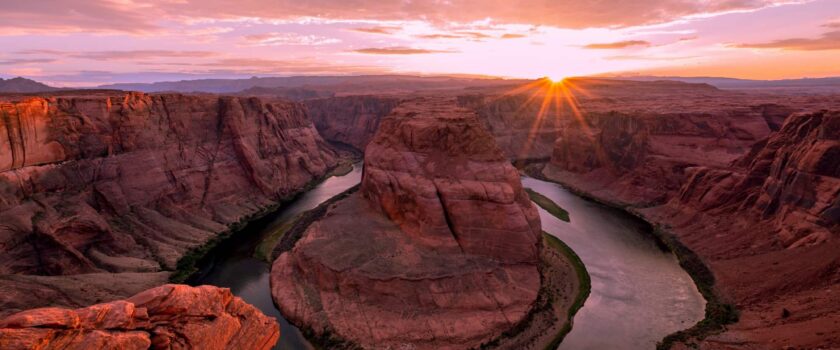
Between the Sea of Japan and forested mountain valleys, Fukui, Japan unfolds as a place where silence and scenery meet. Waves crash against the dark pillars of Tojinbo, monks walk cedar paths at Eiheiji Temple, and families trace the footprints of ancient dinosaurs in Katsuyama. This is a region of raw coastline, deep Zen spirit, and unhurried charm, where every turn reveals craftsmanship and calm. In Fukui, the light feels sharper, the flavors earthier, and the pace slower, creating an authentic rhythm that invites you to breathe deeply and stay longer.
Quick Facts: Fukui, Japan
Time ZoneJST, UTC+9
Nearby DestinationsKanazawa, Kyoto, Toyama, Gifu (Shirakawa-go), Ishikawa’s Noto
Average TemperatureWinter 1–7°C with snow, Spring 8–20°C, Summer 22–31°C humid, Autumn 10–22°C
Cash or Card?Both. Cards widely accepted in cities and museums, carry ¥5,000–¥10,000 for rural buses, small eateries, temple fees
Destination Overview
Why Visit Fukui?
Fukui rewards curious travelers with dramatic Sea of Japan scenery, cedar forests hiding ancient shrines, and one of the world’s great dinosaur museums. The region balances soulful Zen heritage at Eiheiji with blue hour sunsets over Tojinbo’s volcanic cliffs. Steam rises from Awara’s hot springs, while the Mikata Five Lakes sparkle from panoramic terraces. Plates of crisp sauce katsudon and peppery oroshi soba keep days grounded in local flavor.
Best Time to Visit Fukui
- Spring – Late March to April brings cherry tunnels along the Asuwa River and Maruoka Castle festivals. Weather is mild, reservations needed on weekends.
- Summer – Warm and humid from July to August, excellent for coastal drives and Rainbow Line terraces. Afternoons can be hot, plan indoor museums or caves then.
- Autumn – October to mid November is prime foliage around Heisenji Hakusan Shrine and Eiheiji. Clear air gives long views from Mikata Five Lakes.
- Winter – Snowy from December to February, quiet museums, hearty hot pots, and Echizen crab season. Roads to hill viewpoints may close during heavy snow.
Travel Difficulty & Ideal Duration
Difficulty: Easy to Moderate for non Japanese speakers thanks to new rail links, rural sightseeing may need a car or tour.
Recommended: 3 to 5 days for first timers to cover Fukui City, Katsuyama, Tojinbo, and Wakasa. Add two days for onsen hopping or hiking.
Essential Travel Information
Visa & Entry
Many nationalities can enter Japan visa free for short stays if holding a biometric passport and onward ticket. Always check the latest rules and any eVisa options on the Ministry of Foreign Affairs site: Japan MOFA Visa Information. On arrival you will pass automated immigration gates, then customs. Declare cash of ¥1,000,000 or more.
Money & Realistic Daily Costs
- Budget: ¥7,000–¥12,000, hostel or business hotel, soba lunches, local trains and buses
- Mid-range: ¥15,000–¥30,000, comfortable hotels or simple ryokan, a museum or boat ride daily, one nice dinner
- Luxury: ¥35,000–¥80,000+, premium ryokan in Awara Onsen with kaiseki dinner and private onsen
Language & Communication
English is limited outside major attractions. Download Japanese offline on your translation app and learn simple phrases. For data, eSIMs from major providers work well across Fukui, including along the Rainbow Line. Station free Wi-Fi is common, rural viewpoints may have spotty coverage.
Getting There & Around
Air, Rail, Bus: Reach Fukui primarily by rail. The Hokuriku Shinkansen now runs to Fukui and Tsuruga from Tokyo via Kanazawa. From Osaka or Kyoto ride Limited Express Thunderbird to Tsuruga then transfer to the Shinkansen for Fukui. Highway buses link Kyoto or Nagoya with Fukui Station.
Local transport: Use Echizen Railway for Katsuyama, Eiheiji-guchi, and Mikuni. Local buses serve Eiheiji and Heisenji. For Mikata Five Lakes and Rainbow Line, rent a car near Tsuruga or Obama, or hire a taxi at the gates. ICOCA and most major IC cards work on JR, carry cash for rural buses.
Top Things to Do in Fukui
Must-See Landmarks & Cultural Sites
-
Fukui Prefectural Dinosaur Museum
Address: 51-11 Terao, Muroko-cho, Katsuyama, Fukui 911-8601
Admission and timing: Adults from around ¥1,000–¥1,200, students discounted. Typical hours 9:00–17:00, earlier and later hours in summer holidays, last entry 30 minutes before close. Closed the 2nd and 4th Wednesdays, and Dec 31–Jan 1. Confirm latest on the official page. Official info
Best visiting time: Morning slots on weekdays for quieter galleries.
Japan’s premier dinosaur museum with 50 plus skeletons, animatronics, and excavation exhibits set in a futuristic dome. Pair with the Echizen Railway ride through fields to Katsuyama. -
Daihonzan Eiheiji (Eiheiji Temple)
Address: 5-15 Shihi, Eiheiji-cho, Yoshida-gun, Fukui 910-1294
Admission and timing: ¥500, open daily 8:30–16:30. Official site
Best visiting time: Early morning for soft forest light and monks’ routines.
A living Soto Zen monastery founded in 1244 by Dōgen, with covered corridors, cedar groves, and gold leaf ceilings. Short zazen sessions are sometimes offered, book ahead. -
Tojinbo Cliffs
Admission and timing: Coastal promenade open any time. Boat cruise about 30 minutes, typical adult fare around ¥1,800, operates with weather and sea conditions. Boat operator
Best visiting time: Late afternoon on clear days for sunsets and calmer winds.
A one kilometer stretch of rugged columnar jointing on the Sea of Japan, with viewpoints, a lighthouse, and seasonal sea spray. Keep a safe distance from cliff edges. -
Maruoka Castle
Address: 1-59 Kasumi-cho, Maruoka-cho, Sakai, Fukui
Admission and timing: Adults ¥450, children ¥150, 8:30–17:00, ticketing ends 16:30. Official page
Best visiting time: Early April for lantern lit cherry blossoms.
One of twelve original wooden castle keeps in Japan. Interior ladders are steep, socks with grip help. -
Ichijodani Asakura Clan Ruins
Address: Kidonouchi-cho, Fukui City
Admission and timing: Open site is free. Rows of reconstructed townhouses usually 9:00–17:00 with small fee, and the new museum near Ichijodani Station offers excellent context. Museum
Best visiting time: Autumn foliage season, or spring for quiet lanes.
A rare, extensive Sengoku era castle town ruin. Walk samurai lots, temple sites, and the restored merchant street. -
Heisenji Hakusan Shrine
Address: Heisenji, Katsuyama City
Admission and timing: Shrine grounds free at all hours, former Genseiin Garden entry around ¥50. Official page
Best visiting time: After rain for luminous moss, or snowy mornings for hushed paths.
A moss carpeted shrine with stone approaches under tall cedars, once a vast Hakusan faith complex. -
Yokokan Garden
Address: 3-11 Hoei, Fukui City
Admission and timing: Adults about ¥210–¥220, typical 9:00–19:00 in warm months, shorter in winter. Free days occur on select civic holidays. Official site
Best visiting time: Late afternoon for golden reflections on the pond.
An Edo period strolling garden with a sukiya style villa that seems to float on water.
Hidden Gems & Local Favorites
- Fukui Station Dinosaur Plaza – Life size moving dinosaurs greet arrivals every 30 minutes from 9:00 to 21:00 at the west exit. Free, steps from the Shinkansen gates.
- Oshima Island – A footbridge from Mikuni connects to a windswept islet with shrines and rock arches. Best at low tide with sturdy shoes.
- Kehi no Matsubara, Tsuruga – A classic white sand pine grove and beach, lovely in evening light. Picnic tables and gentle surf days.
- Tsuruga Red Brick Warehouse – Restored Meiji era brick buildings with a mini railway diorama and cafés, good on rainy days.
- Asuwa River Cherry Walk – Kilometers of blossoms through Fukui City in early April, subtle illuminations after dusk.
Unique Experiences You Can’t Miss
- Echizen soba making class near Fukui Station, from ¥1,800 to ¥2,500 per person, 60–90 minutes, book 2–7 days ahead. Echizen Soba Club
- Tojinbo sightseeing boat, about 30 minutes, typical adult fare around ¥1,800, departures run frequently in calm seas, buy on site. Operator
- Rainbow Line Summit Park terraces at Mikata Five Lakes, lift or cable car to the mountaintop park, admission plus lift from roughly ¥1,200–¥1,500. Official guide
- Short zazen session at Eiheiji town facilities, seasonal offerings, expect donations or small fees around ¥500–¥1,500. Reserve in advance.
- Seasonal Echizen crab dinner, November to March, market price from around ¥6,000 for a set to well over ¥20,000 for premium male snow crab.
Best Photo Spots
- Tojinbo south end viewpoint for layered pillars and sea mist at sunset. Tripods allowed with care, mind wind gusts.
- Rainbow Line Summit Park main deck for all five lakes and Wakasa Bay in one frame, morning for calm water, afternoon for contrast.
- Heisenji Hakusan Shrine stone approach after rainfall for saturated greens. Use a fast prime to catch low light under cedars.
- Maruoka Castle from the lower path during cherry season for a “floating” keep above blossoms.
- Fukui Station Dinosaur Plaza at blue hour when animatronics light up against the station facade.
Where to Stay in Fukui
Best Areas or Neighborhoods
- Fukui Station Area – Best base for trains and buses, many business hotels, easy walks to Yokokan and castle site. Ideal for first timers.
- Awara Onsen – Classic hot spring town north of Fukui, ryokan stays with kaiseki dinners. Relaxing evenings, limited late nightlife.
- Katsuyama – Near the Dinosaur Museum, Heisenji, and mountain scenery. Quiet at night, great for families and drivers.
- Tsuruga – Gateway to Mikata Five Lakes and Wakasa, seaside markets and beaches. Good for coastal drives.
- Mikuni & Tojinbo – Small inns and sea views near the cliffs, dramatic sunsets, rental car recommended.
Budget Traveler Picks
- Dormy Inn Fukui Natural Hot Spring – 1-18-1 Chuo, Fukui City • ¥7,000–¥12,000
- Fukui Manten Hotel Ekimae – 1-11-1 Chuo, Fukui City • ¥7,500–¥13,000
- Hotel Riverge Akebono – 3-10-12 Chuo, Fukui City • ¥8,000–¥14,000
- Hotel Granvia Fukui – 1-1-17 Chuo, Fukui City • ¥9,000–¥16,000
- Hotel Route-Inn Fukui Ekimae – 1-1-1 Chuo, Fukui City • ¥7,000–¥11,000
Mid-Range Favorites
- Hotel Fujita Fukui – 3-12-20 Ote, Fukui City • ¥10,000–¥18,000
- Grandia Housen Annex Stay – Awara Onsen, Awara • ¥18,000–¥28,000 with dinner
- Awara Onsen Haiya – 2-205 Onsen, Awara • ¥20,000–¥35,000 with dinner
- HARBOR AREA stays near Red Brick Warehouse – Tsuruga • ¥9,000–¥16,000
- Hotel cooju Fukui – 4-806 Asahi, Fukui City • ¥10,000–¥18,000
Luxury Stays
- Grandia Housen – 43-26 Funatsu, Awara • ¥35,000–¥80,000 with kaiseki
- Awara Onsen Kagetsu – 1-601 Onsen, Awara • ¥30,000–¥60,000
- Hakujukan, Eiheiji – 6-1 Shihi, Eiheiji-cho • ¥26,000–¥45,000 with breakfast, Zen programs seasonal
- Seaside Natural Hot Spring ryokan cluster – Awara coast • ¥28,000–¥55,000
Family-Friendly
- Dormy Inn Fukui – Spacious twins, free late night noodles, onsen bath
- Hotel cooju Fukui – Dinosaur themed touches near shopping, easy parking
- Grandia Housen – Private bath suites and kids’ yukata, short taxi to station
- Fukui Manten Hotel Ekimae – Coin laundry, public bath, steps from trains
Alternative Stays
- Farm stays near Obama and Wakasa – Harvest experiences and rustic meals
- Guesthouses in Mikuni – Sea breeze nights near Tojinbo
- Vacation rentals around Tsuruga – Good for families driving the Rainbow Line
What & Where to Eat in Fukui
Must-Try Dishes
- Echizen Oroshi Soba – Chilled soba topped with grated daikon, green onions, katsuobushi, and a light dashi. Expect ¥600–¥1,000 at soba shops.
- Sauce Katsudon – A Fukui original, pork cutlet dipped in a tangy brown sauce served on rice. Typical bowls ¥900–¥1,200.
- Echizen Crab – Sweet snow crab in season, November to March. Sets from around ¥6,000, premium tags much higher.
- Saba no Heshiko – Salted and rice bran fermented mackerel, sliced and grilled or on rice, small plates ¥400–¥800.
- Wakasa Seafood – Sashimi and donburi at Tsuruga markets, bowls from ¥1,200–¥2,500.
Restaurants & Cafés
- Budget Eats – Yoroppaken Main Shop, sauce katsudon originator, central Fukui near castle site • ¥900–¥1,400
- Budget Eats – Echizen Soba Club, hands on soba and lunch, near Fukui Station • ¥700–¥1,200
- Seafood Markets – Nihonkai Sakanamachi, Tsuruga, bowls and grills • ¥1,200–¥3,000
- Café with a View – Rainbow Line Summit Park Café, terrace drinks and sweets • ¥500–¥1,200
- Standing Sushi – Tachikui Sushi Sakudaya, morning sets and quick bites • ¥800–¥1,600
Street Food & Dietary Tips
- Look for grilled mackerel and squid along coastal towns, vendors operate seasonally on fair weather weekends.
- Vegetarian options improve at cafés, but traditional eateries may use dashi. Ask for “dashi nashi” for broth without fish.
- Gluten free travelers should favor rice bowls and sashimi. Soba contains buckwheat, not wheat, but sauces can include soy.
- Tap water is safe. Ask for “aisu nashi” if avoiding ice.
- Markets and stations open early, dinner hours often end by 21:00 outside the city.
Local Culture & Etiquette
- Norms – Speak softly on trains, remove shoes when entering tatami rooms, keep shrine and temple grounds tidy.
- Do’s & Don’ts – Do wash at onsen before soaking. Do not photograph worshippers up close without consent. Do not fly drones at cliffs or shrines without permits.
- Tipping – Not customary. A simple thank you is appreciated. Leave small coins at shrine boxes as an offering if you wish.
- Festivals & Events – Maruoka Cherry Blossom Festival in April, Mikuni Festival in May, fireworks along coastal towns in August, crab season food fairs in winter.
Practical Tips & Safety
- Health & Safety – 119 for ambulance or fire, 110 for police. Hospitals in Fukui City provide English support during business hours. Carry travel insurance and any prescriptions with generic names.
- What to Pack – Windbreaker for cliff walks, compact umbrella, slip resistant shoes for castle ladders and mossy shrine paths, winter traction if driving in snow.
- Money Saving – Pair Yokokan with the nearby city museum on joint tickets. Weekday stays at Awara Onsen are lower. Use regional rail passes if pairing with Kanazawa or Toyama.
- Emergency Phrases – “Keisatsu o yonde kudasai” call the police please, “Byōin wa doko desu ka” where is the hospital, “Yakujo” pharmacy, “Eigo no panfuretto wa arimasu ka” do you have an English leaflet.
Fukui Itineraries
3-Day Express Itinerary
- Day 1 – Fukui Station Dinosaur Plaza photos, Yokokan Garden, lunch at Yoroppaken, stroll Fukui Castle site, soba dinner near station, onsen bath at your hotel.
- Day 2 – Eiheiji morning visit, zazen introduction if available, bus or car to Heisenji Hakusan Shrine, late afternoon at Tojinbo for sunset. Seafood dinner in Mikuni.
- Day 3 – Echizen Railway to Katsuyama, taxi to Dinosaur Museum, café break, return via Fukui for shopping and departure.
7-Day Comprehensive Itinerary
- Day 1 – Arrive Fukui, Yokokan, castle site, local izakaya.
- Day 2 – Eiheiji deep dive, lunch in Eiheiji town, evening soak at Awara Onsen.
- Day 3 – Katsuyama: Dinosaur Museum, Heisenji moss paths, stay in Katsuyama or return to Awara.
- Day 4 – Maruoka Castle and town, seasonal blossoms, café stop, riverside cycling in Fukui.
- Day 5 – Tojinbo cliffs and Oshima Island circuit, seafood bowls at Mikuni, lighthouse views.
- Day 6 – Tsuruga and Nihonkai Sakanamachi market brunch, drive Rainbow Line to Summit Park terraces, footbath with lake panorama.
- Day 7 – Flexible day for crafts in Echizen City, paper or lacquer workshops, final soba lunch and departure.
Off the Beaten Path Route
Make a coastal loop from Tsuruga to Obama, stopping at small fishing ports and historic temples, then climb the Rainbow Line from either Hyuga Gate or Kaizan Gate to the mountaintop park. Continue inland via country roads to Katsuyama and spend a quiet evening beneath the stars. Trains are sparse along the loop, so rent a compact car and plan fuel and food stops in towns.
Frequently Asked Questions
When is the best time to visit Fukui?
For comfortable weather and lush scenery, visit in April to June or October to mid November. Cherry blossoms peak in early April around Maruoka Castle and the Asuwa River. November to March is excellent for Echizen crab, and winter brings quiet temples and occasional snow scenes in Katsuyama.
How many days do I need in Fukui?
Plan three days for highlights such as Eiheiji, the Dinosaur Museum, and Tojinbo. Add two to four more days for Awara Onsen, Mikata Five Lakes, and crafts in Echizen City. Families often enjoy an extra night in Katsuyama for an unhurried museum visit.
Is Fukui safe for solo travelers?
Yes. Crime rates are low and people are helpful. Trains are reliable, though rural buses are infrequent, so check schedules in advance. Keep emergency numbers handy and carry cash for small purchases in villages.
What is the best area to stay in Fukui?
Stay by Fukui Station for easy transit and dining. Choose Awara Onsen for a classic ryokan with hot springs. Beach and market lovers can base in Tsuruga to reach the Rainbow Line and coastal spots quickly.
How do I get around Fukui without a car?
Use the Hokuriku Shinkansen to reach Fukui, Echizen Railway for Katsuyama and Mikuni, and local buses for Eiheiji and Heisenji. For Mikata Five Lakes, consider a taxi from nearby JR stations or join a small tour, since public transport is limited.
What foods should I try in Fukui?
Start with Echizen oroshi soba and sauce katsudon. In Tsuruga try seafood bowls and grilled mackerel. In winter order Echizen crab. Look for heshiko, a traditional fermented mackerel delicacy, at markets and izakaya.
Is the Dinosaur Museum suitable for young kids?
Yes. Galleries are stroller friendly, with lifelike animatronics and hands on exhibits. Allow two to three hours. Weekday mornings are quieter, and there is a café for breaks.
Can I do a day trip to Fukui from Kanazawa or Kyoto?
From Kanazawa it is simple by Hokuriku Shinkansen, about 23–30 minutes to Fukui at fastest. From Kyoto or Osaka, ride Thunderbird to Tsuruga then Shinkansen to Fukui. For Tojinbo or Mikata Five Lakes, start early or stay overnight.
Where can I see the best sunset in Fukui?
Tojinbo on clear days offers fiery horizons over the Sea of Japan. The Rainbow Line Summit Park decks are also lovely for late light over the five lakes. In winter, sunsets come early, so check hours for lifts.
Are there accessible attractions in Fukui?
Major museums and Fukui Station facilities have elevators and ramps. The Dinosaur Plaza is step free. Some historic sites like Maruoka Castle have steep stairs, and shrine approaches can be uneven, so plan accordingly.
Don’t Miss
- Golden hour at Tojinbo with waves crashing below the basalt pillars, then seafood in Mikuni.
- Quiet corridors of Eiheiji where cedar scent and temple bells slow the day.
- Hands on soba making followed by a simple bowl of peppery oroshi soba.
- Panoramic terraces of the Rainbow Line Summit Park, all five lakes in a single sweep.
- Spring lanterns at Maruoka Castle or a soft snowfall across Heisenji’s moss.
Your Fukui Story Starts Here
Fukui blends soulful Zen halls, sea carved cliffs, and family friendly museums into a trip that feels both grounded and surprising. Pick your season, choose a base near the station or an onsen ryokan, and map one coastal day and one mountain day. Book a morning slot at the Dinosaur Museum, time a sunset at Tojinbo, and leave space for a bowl of oroshi soba you will remember. Your next chapter in Japan, calm and vivid, is waiting in Fukui.
Useful Links / Official Sources
- Fukui Prefecture Official Tourism
- Fukui Prefectural Dinosaur Museum
- Eiheiji Temple Official
- Rainbow Line Summit Park Guide
- Tojinbo Sightseeing Boat
- Hokuriku Shinkansen Route Map
- JR West Tsuruga Transfer Guide
- Japan MOFA Visas
- Japan Meteorological Agency Weather
- Maruoka Castle Info
- Yokokan Garden Info
- Ichijodani Asakura Family Site Museum